Human-Like Robots in Society
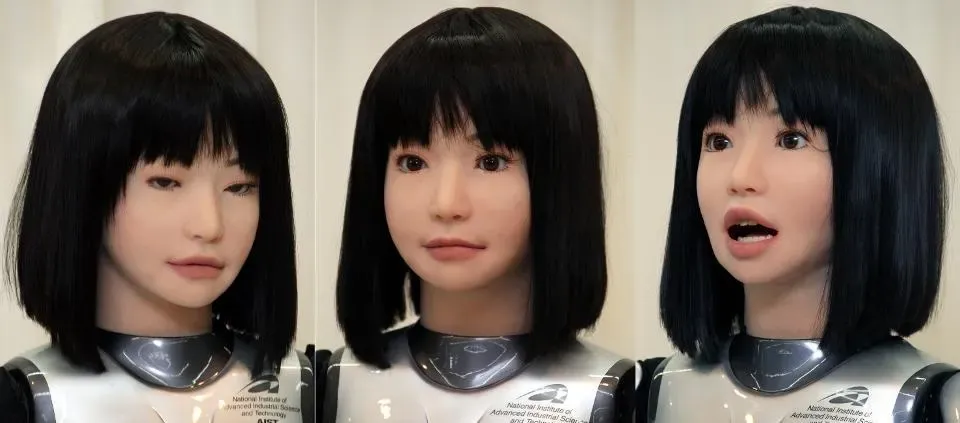
Human-like robots, often referred to as humanoid robots, are machines designed to imitate the appearance and behavior of humans. They can range from simple robotic figures to sophisticated beings that mimic emotions, expressions, and gestures. This resemblance is not just for aesthetics; it aims to enhance human-robot interaction, making these machines more relatable. As technology has improved, the lines between machines and humans have begun to blur, showcasing a fascinating intersection of engineering and human likeness. The growing field of Human Like Robots reflects the significant innovations occurring in robot design.
The evolution of robotics has seen substantial advancements over the last few decades. What started with basic automation has transformed into complex systems capable of intricate interactions and emotional connections. Movies, literature, and art have funneled this fascination, portraying robots as companions and helpers. This rise in popularity reflects society's ongoing exploration of technology and companionship, raising questions about our relationship with machines. The intricate representation in media has fueled the cultural narrative surrounding these devices, making them a staple in various discussions related to the future.
Psychological Aspects
The interplay between human psychology and robotics is quite intriguing. Humans naturally seek connection, and robotic figures that mirror our likeness can ignite deeper feelings of attachment. This relationship can sometimes exceed our interactions with non-human entities, as people often confer personalities onto these robots. Our brains are wired to recognize patterns and familiar shapes, leading us to find comfort in machines that look like us, even in tiny details, such as facial expressions or gestures.
However, the uncanny valley phenomenon complicates these emotional connections. This term describes the unease that arises when a robot appears almost human but not quite. This subtle gap can evoke feelings of discomfort and even fear. Much of our emotional response is governed by familiarity; when something appears nearly human, it triggers a psychological dissonance. But as technology improves, robots might evolve beyond the uncanny valley, fostering meaningful emotional bonds and changing our perceptions of companionship.
Technological Advancements
When discussing technological advancements in human-like robotics, AI and machine learning play pivotal roles. These technologies allow robots to learn from interactions, making them smarter and more responsive. By imitating human speech, gestures, and even emotional expressions, robots can engage more fully with users. The implications of this progress are enormous, from personal assistants that genuinely understand your needs to companion robots that adapt to your mood.
However, creating life-like robots is not without its challenges. Ensuring realistic movements and expressions requires advanced mechanics and software developments. Engineers and programmers must overcome obstacles related to synchronization, which is critical for believable interactions. Realistic voice modulation alongside emotional recognition capabilities adds complexity to robot responses, creating a more immersive experience. As we navigate these hurdles, progress towards crafting truly human-like machines accelerates, pushing the boundaries of what we previously thought possible.
Ethical and Moral Considerations
Ethical implications emerge when we create machines that resemble humans too closely. Questions about identity, autonomy, and the essence of being human surface frequently in discussions about these technologies. As robots become more integrated into daily life, we must contemplate the responsibilities involved in creating beings that mimic human traits. The potential for misuse or misunderstanding of these relationships becomes an essential part of the conversation surrounding human-like robots.
Furthermore, privacy concerns gain prominence in this context. As robots become more embedded in homes and workplaces, they collect data about users. This leads to significant discussions about individual rights and the ethical use of this data. Are these robots safeguarding personal information, or could they inadvertently expose sensitive details? Society must navigate building trust in such technologies while maintaining individual privacy and security.
Economic Motivations
The market demand for human-like robots has surged as businesses and consumers alike recognize their potential benefits. From household assistants to customer service agents, the pressing need for efficiency drives investment in this technology. The vast applications for human-like robots in various sectors demonstrate their transformative potential. Companies are keen to adopt these robots to save time and labor costs and enhance customer experience.
Human-like robots are especially influential in business sectors such as healthcare and consumer services. Their ability to interact fluidly with people can result in improved outcomes, whether providing care, assistance, or information. However, this also raises questions about cost and revenues. As development costs continue to decrease, the return on investment can significantly increase, solidifying the presence of robots in mainstream markets. This balance affects how quickly businesses deploy these technologies and adapt to changing consumer expectations.
Cultural and Social Influences
Cultural perceptions of robotics differ globally, shaping how societies integrate these machines. In some cultures, robotics symbolize innovation and progress, while in others, they provoke skepticism and fear. Understanding these variations is vital for companies and individuals involved in robotics. Each culture frames conversations about technology and its implications, influencing how humans perceive machines that resemble them.
Social acceptance also plays a critical role in the integration of human-like robots. People generally tend to embrace technologies that enhance their daily lives, provided they see benefits. Insightful marketing and awareness campaigns can help bridge the gap between skepticism and acceptance. Furthermore, historical influences form a unique backdrop against modern robotics, marking the shift in perceptions around companionship, labor, and innovation. This journey shapes how we understand our interaction with technology today.
Applications of Human-Like Robots
Personalized companions represent one of the most promising applications of human-like robots. These machines can provide care for the elderly, help people with disabilities, or simply offer companionship to anyone feeling lonely. By mimicking human interaction, they can significantly alleviate feelings of isolation. This connection adds emotional value to the functionality of such robots.
Customization emerges as another interesting aspect, especially in entertainment and education. Human-like robots can serve as engaging tools for teaching and training. Their capacity to adapt and personalize lessons fosters deeper connections with learners. Additionally, their use in therapy and counseling has shown promising results. Therapists can utilize these robots to facilitate communication and make clients feel more at ease during sessions.